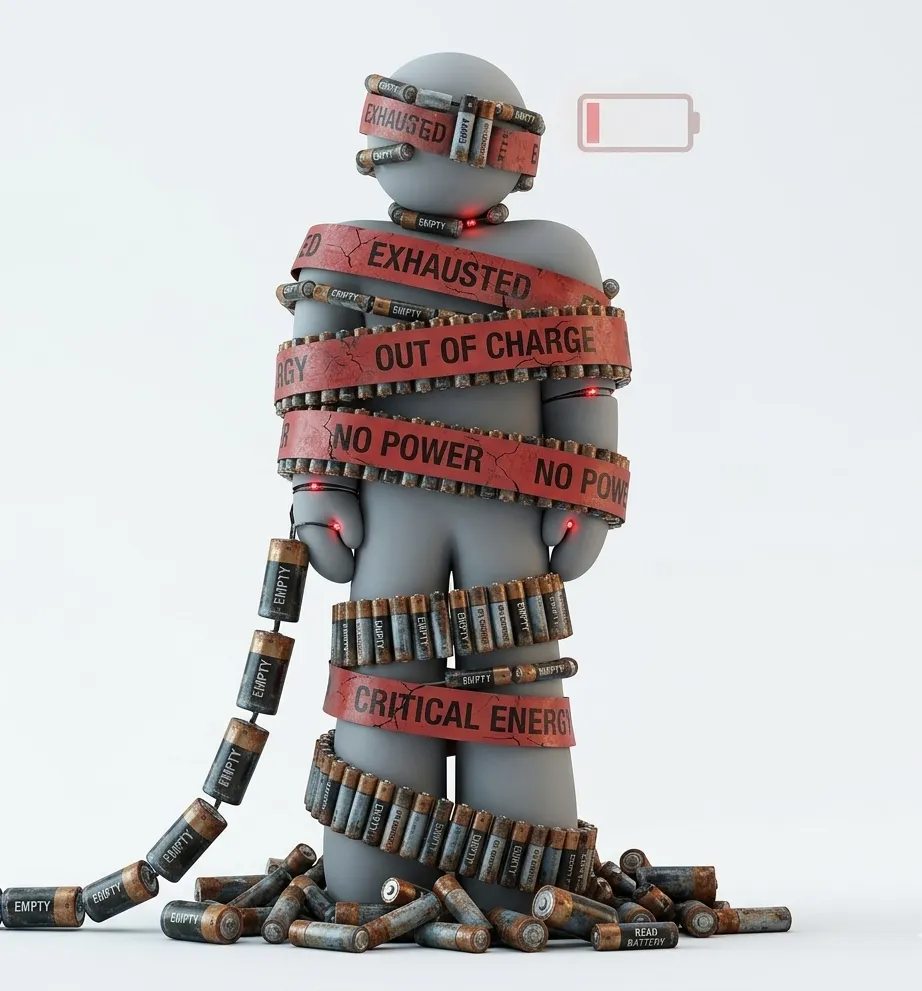
Blood Sugar Measurement - Insulin Resistant

Understanding Insulin Resistance: Mechanisms, Implications, and Therapeutic Strategies

Insulin Resistance and Diabetes

Insulin resistance, a metabolic disorder characterized by impaired cellular response to insulin, underpins various chronic diseases, including type 2 diabetes and cardiovascular conditions. This scientific article explores the intricate molecular mechanisms of insulin resistance, elucidates its far-reaching implications for health, and delves into evidence-based therapeutic strategies that hold promise for its management.
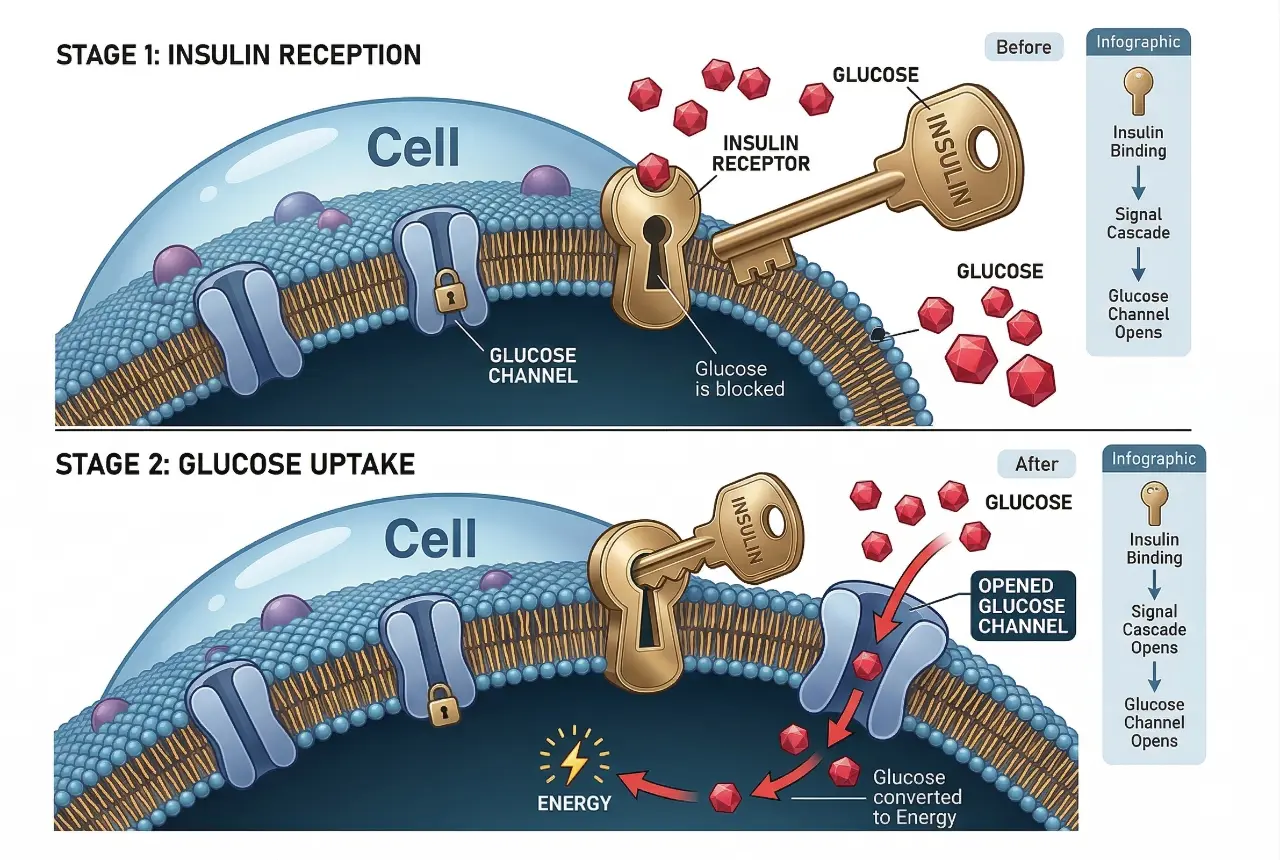
Insulin resistance is a central concern in contemporary healthcare, owing to its pervasive role in the development of type 2 diabetes mellitus (T2DM), obesity-related complications, and cardiovascular diseases. This article aims to unravel the multifaceted nature of insulin resistance by examining its molecular underpinnings, clinical significance, and therapeutic interventions grounded in scientific evidence.

Mechanisms of Insulin Resistance
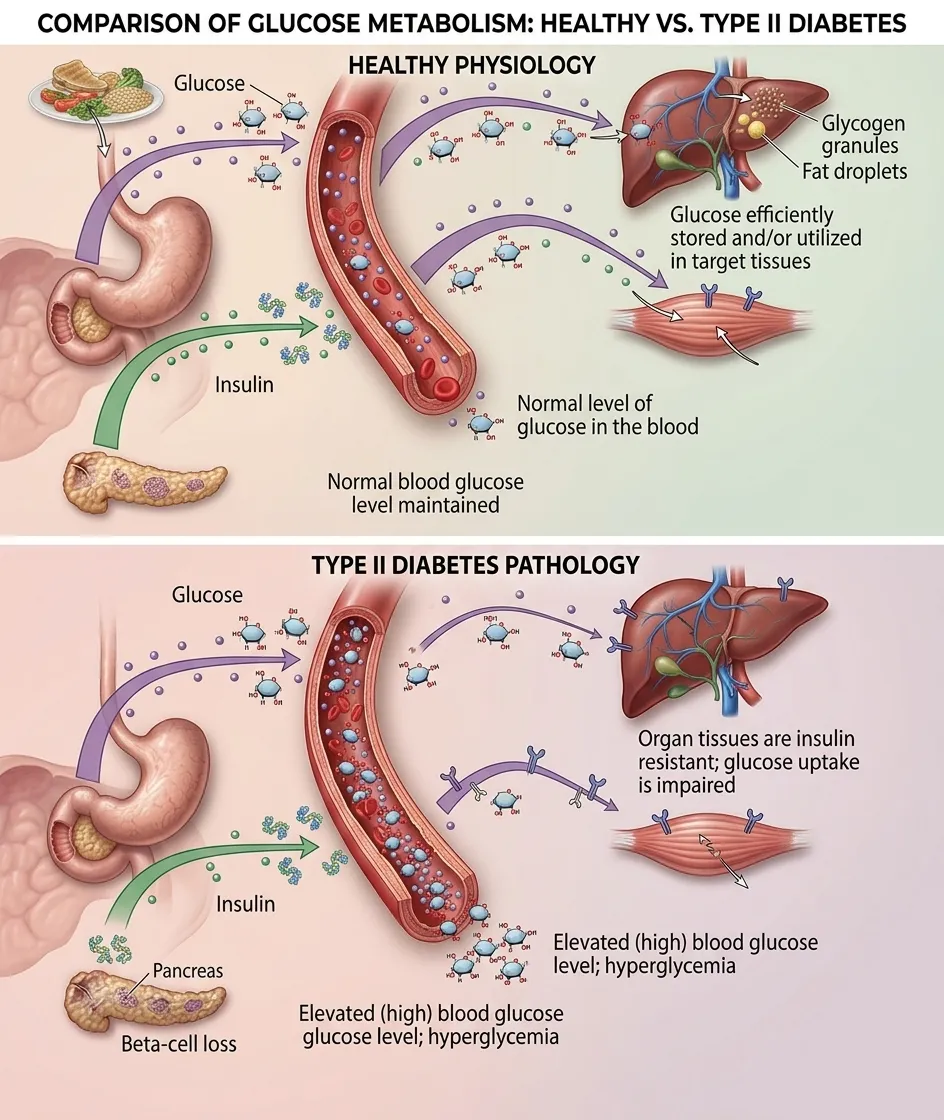
Comparison of Glucose Metabolism healthy vs Type 2 Diabetes

1. Adipose Tissue Dysfunction

Adipose tissue dysfunction contributes to insulin resistance through the dysregulated secretion of adipokines and the excessive release of free fatty acids (FFAs). Elevated FFAs induce lipotoxicity in non-adipose tissues, such as skeletal muscle and liver, thereby impairing insulin action[1][2].

2. Inflammatory Signaling

Chronic inflammation plays a pivotal role in the pathogenesis of insulin resistance. Cytokines like tumor necrosis factor-alpha (TNF-α) and interleukin-6 (IL-6) activate inflammatory pathways that interfere with insulin signaling cascades[3][4].

3. Mitochondrial Dysfunction

Mitochondrial abnormalities, including reduced oxidative phosphorylation capacity and increased oxidative stress, are associated with insulin resistance[5]. Impaired mitochondrial function contributes to reduced cellular energy metabolism, a key aspect of insulin-resistant states[6].

4. Endoplasmic Reticulum Stress

Endoplasmic reticulum (ER) stress arises from the accumulation of misfolded proteins within the ER. This phenomenon is observed in insulin-resistant cells and is linked to the disruption of insulin signaling[7][8].

Implications of Insulin Resistance

Diabetes Insulin Resistance

1. Type 2 Diabetes

Insulin resistance is a crucial precursor to T2DM. Skeletal muscle and liver insulin resistance leads to compensatory hyperinsulinemia. When the pancreatic beta cells can no longer maintain this compensatory response, impaired glucose homeostasis progresses to overt T2DM[9].

2. Cardiovascular Risk

Insulin resistance is a potent risk factor for cardiovascular diseases (CVDs). Dyslipidemia, hypertension, and endothelial dysfunction often accompany insulin resistance, promoting atherosclerosis and increasing the likelihood of myocardial infarctions and strokes[10][11].

3. Obesity

A bidirectional relationship exists between insulin resistance and obesity, where each condition exacerbates the other. Adipose tissue expansion and inflammation in obesity contribute significantly to insulin resistance[12].

4. Non-Alcoholic Fatty Liver Disease (NAFLD)

Insulin resistance in the liver is a primary driver of NAFLD. The reduced ability of insulin to suppress hepatic gluconeogenesis and promote lipid storage results in the accumulation of liver fat[13].

Therapeutic Strategies

1. Lifestyle Modifications

Lifestyle interventions encompassing dietary changes, regular physical activity, and weight management play a pivotal role in improving insulin sensitivity. Multiple studies have shown that exercise and dietary modifications can enhance insulin action and reduce insulin resistance[14][15].

2. Pharmacotherapy

Medications such as metformin, thiazolidinediones (TZDs), and glucagon-like peptide-1 (GLP-1) receptor agonists have demonstrated effectiveness in enhancing insulin sensitivity and improving glycemic control[16][17].

3. Personalized Medicine

Personalized approaches to insulin resistance management are emerging, with genetic and metabolic profiling offering insights into individualized treatment strategies[18].

4. Emerging Therapies

Ongoing research explores innovative therapies like sodium-glucose cotransporter-2 (SGLT-2) inhibitors and gut microbiota modulation for insulin resistance management[19][20].

5. Pulsed Electromagnetic Field (PEMF) as complementary therapy

Pulsed Electromagnetic Field (PEMF) therapy is an emerging modality that has shown promise in various medical applications, including the potential to improve insulin resistance. While more research is needed to fully understand the mechanisms and efficacy of PEMF for insulin resistance, several studies and theories suggest that PEMF may have beneficial effects in this context:

  1. Enhanced Cellular Function:
    • Scientific Evidence: PEMF exposure may enhance cellular function by improving mitochondrial activity and increasing adenosine triphosphate (ATP) production[21]. Healthy mitochondrial function is critical for insulin sensitivity[22].
    • Rationale: Enhanced mitochondrial activity can improve cellular energy metabolism, which plays a significant role in insulin sensitivity. This effect may potentially lead to improved glucose uptake and utilization in insulin-resistant cells.
  2. Anti-Inflammatory Effects:
    • Scientific Evidence: PEMF therapy has been shown to reduce inflammation by modulating pro-inflammatory cytokines and promoting anti-inflammatory responses[23][24].
    • Rationale: Chronic low-grade inflammation is a key contributor to insulin resistance[25]. By reducing inflammation, PEMF may help mitigate one of the underlying factors associated with insulin resistance.
  3. Improved Blood Flow:
    • Scientific Evidence: PEMF therapy can enhance blood flow and microcirculation[26]. Improved circulation may promote nutrient and oxygen delivery to tissues, potentially benefiting insulin sensitivity.
    • Rationale: Insufficient blood flow in adipose tissue and skeletal muscle has been linked to insulin resistance[27]. PEMF-induced improvements in circulation could help address this issue.
  4. Stress Reduction:
    • Scientific Evidence: PEMF therapy has been associated with reduced stress and anxiety levels[28]. Stress is known to exacerbate insulin resistance[29].
    • Rationale: By reducing stress, PEMF therapy may indirectly contribute to improved insulin sensitivity. Lower stress levels can lead to a decrease in cortisol secretion, a hormone that can promote insulin resistance when chronically elevated[30].
  5. Neurological Effects:
    • Scientific Evidence: PEMF therapy may have positive effects on neurological function and neuroprotection[31].
    • Rationale: Insulin resistance can impact the central nervous system and contribute to cognitive impairment[32]. If PEMF can support neurological function, it may indirectly improve insulin sensitivity.

It’s important to note that while these theoretical mechanisms suggest the potential benefits of PEMF therapy for insulin resistance, further clinical research is needed to confirm its effectiveness. Additionally, the optimal parameters, such as frequency, intensity, and duration of PEMF treatment for insulin resistance, need to be established through rigorous scientific investigation.

Nevertheless, PEMF therapy holds promise as a non-invasive and potentially beneficial approach for improving insulin resistance. Its ability to enhance cellular function, reduce inflammation, improve blood flow, and reduce stress may collectively contribute to better insulin sensitivity.

Conclusion

Insulin resistance is a multifaceted metabolic phenomenon with profound implications for health and well-being. Understanding its intricate molecular mechanisms and recognizing its clinical significance are essential steps in developing effective therapeutic strategies. Evidence-based interventions, including lifestyle modifications and pharmacotherapy, offer hope for ameliorating insulin resistance and reducing the risk of associated chronic diseases. The ongoing research landscape continues to uncover innovative approaches that hold the promise of a healthier future for individuals affected by insulin resistance.

Sciatica Pain

Sciatica Pain: Causes, Treatments, and Interventions

Sciatica Pain

Sciatica pain is a common and debilitating condition characterized by sharp, shooting pain radiating from the lower back down the leg. This scientific article explores the underlying causes of sciatica, its differentiation from other types of back pain, conventional treatment options, and the role of lifestyle changes in its management and recovery.

Introduction

Sciatica, also known as lumbar radiculopathy, is a painful condition that occurs when the sciatic nerve, which runs from the lower back through the buttocks and down each leg, becomes irritated or compressed. This irritation can lead to a variety of symptoms, including pain, tingling, and weakness. Understanding the causes, differentiation from other back pain issues, and effective treatments is crucial for individuals suffering from sciatica.

Causes of Sciatica Pain

  1. Herniated Discs: This occurs when the inner gel-like substance of a disc protrudes and presses on the adjacent nerve roots, leading to sciatic pain. (Mayo Clinic)
  2. Spinal Stenosis: This is the narrowing of the spinal canal, which can compress the sciatic nerve. It often occurs due to age-related degeneration of the spine. (National Institute of Arthritis and Musculoskeletal and Skin Diseases)
  3. Piriformis Syndrome: This occurs when the sciatic nerve passes through or under the piriformis muscle, leading to irritation. (Cleveland Clinic)
  4. Spondylolisthesis: This happens when one vertebra slips forward over another, causing pressure on the sciatic nerve. (OrthoInfo – American Academy of Orthopaedic Surgeons).

Differentiating Sciatica Pain from Other Back Pain Issues

Sciatica Pain Shock

Sciatica pain can be distinguished from other types of back pain by its characteristic radiating pattern down the leg. Unlike localized back pain, sciatica often follows the path of the sciatic nerve and may be accompanied by tingling, numbness, or weakness in the affected leg. This differentiation is crucial for accurate diagnosis and treatment planning.

Conventional Treatment Options:

The conventional medical approach to treating sciatica pain typically involves a combination of conservative treatments aimed at relieving pain, reducing inflammation, and addressing the underlying causes of the condition. Here are some of the common conventional medical treatments for sciatica pain:

  1. Medications:
    • Non-Steroidal Anti-Inflammatory Drugs (NSAIDs): Over-the-counter NSAIDs like ibuprofen or prescription-strength versions can help reduce pain and inflammation associated with sciatica.
    • Muscle Relaxants: These medications can be prescribed to alleviate muscle spasms, which often contribute to sciatic nerve irritation.
    • Oral Steroids: In some cases, a short course of oral corticosteroids may be prescribed to reduce inflammation around the affected nerve roots. (MedlinePlus – U.S. National Library of Medicine)
  2. Physical Therapy:
    • A physical therapist can develop a tailored exercise program to improve flexibility, strengthen the muscles that support the spine, and correct posture issues that may be contributing to sciatica. (American Physical Therapy Association)
    • Techniques like manual therapy, heat or cold therapy, ultrasound, and electrical stimulation may also be used to manage pain and improve mobility.
  3. Epidural Steroid Injections:
    • Injections of corticosteroids directly into the epidural space around the affected nerve roots can provide short-term relief by reducing inflammation and pain.
    • These injections are typically administered by a pain management specialist or anesthesiologist. (Mayo Clinic)
  4. Surgery:
    • Surgical intervention is considered when conservative treatments do not provide relief, or if there is a clear structural issue causing the sciatica, such as a herniated disc pressing on the nerve.
    • Common surgical procedures for sciatica include discectomy (removal of a portion of the herniated disc) and laminectomy (removing a portion of the spinal bone to relieve pressure on the nerve). (Spine-health)
  5. Medication Management:
    • In some cases, chronic sciatica pain may require ongoing medication management. This may include prescription pain medications or medications specifically targeting nerve pain (e.g., gabapentin or pregabalin). (Neurology – American Academy of Neurology)
  6. Rest and Activity Modification:
    • Rest may be recommended during acute flare-ups of sciatica, but prolonged bed rest is generally discouraged. Gentle activity and movement are often encouraged to prevent muscle stiffness and improve circulation.
  7. Lifestyle Modifications:
    • Lifestyle changes such as weight management, proper posture, and ergonomic adjustments in the workplace can help reduce the risk of recurrent sciatica.

It’s important to note that the choice of treatment for sciatica pain depends on the individual’s specific condition, the severity of symptoms, and the underlying causes. Treatment plans are typically tailored to the patient’s needs and may involve a combination of the above approaches.

Before starting any treatment, individuals experiencing sciatica pain should consult with a healthcare provider to receive a proper diagnosis and guidance on the most appropriate treatment plan. Additionally, it’s important to adhere to the prescribed treatment regimen and follow up with healthcare professionals to monitor progress and adjust the treatment as necessary.

Lifestyle Changes for Sciatica Pain Management and Recovery:

Exercise good for sciatica pain relief
  1. Maintain Proper Posture: Good posture, especially when sitting and lifting, can reduce strain on the lower back and help prevent sciatica.
  2. Regular Exercise: Engaging in low-impact exercises, such as swimming or walking, can improve overall spine health and alleviate sciatica symptoms.
  3. Weight Management: Maintaining a healthy weight can reduce the stress placed on the lower back and decrease the risk of sciatica.
  4. Ergonomics: Adjusting workstations and ergonomic furniture can promote proper posture and reduce the risk of aggravating sciatica.
  5. Stress Management: High levels of stress can exacerbate pain, so practicing stress-reduction techniques like meditation or deep breathing may be beneficial.

Sciatica pain is a complex condition with various potential causes. Differentiating it from other types of back pain is essential for appropriate treatment. Conventional treatment options, such as medications, physical therapy, injections, and surgery, can provide relief, but lifestyle changes play a crucial role in managing and recovering from sciatica. In addition, various complementary treatments with electro-magnetic and heat therapies are also available that one may explore to help alleviate sciatica pains.

Electro-magnetic and Heat Therapies for Sciatica Pain

Electrotherapy modalities, including Transcutaneous Electrical Nerve Stimulation (TENS), Pulsed Electromagnetic Field (PEMF) therapy, and heat therapy like red light or far-infrared therapy, can be valuable in managing sciatica pain. Each of these approaches offers unique benefits in alleviating discomfort and promoting the healing of underlying causes. Let’s explore how these electrotherapy methods can be used to help with sciatica pain:

TENS (Transcutaneous Electrical Nerve Stimulation):

TENS is a non-invasive electrotherapy technique that involves the use of a small, battery-operated device that delivers low-level electrical impulses through electrodes placed on the skin. TENS therapy can help with sciatica pain in the following ways:

  • Pain Gate Control: TENS works on the principle of the “gate control theory of pain.” It stimulates sensory nerve fibers, which can interfere with pain signals traveling to the brain, reducing the perception of pain.
  • Release of Endorphins: TENS therapy can trigger the release of endorphins, the body’s natural painkillers, which can provide relief from sciatic pain.
  • Muscle Relaxation: TENS can promote muscle relaxation, reducing muscle spasms and tension, which are common contributors to sciatica discomfort.

PEMF (Pulsed Electromagnetic Field) Therapy:

PEMF for Pain Relief, Sciatica Pain

PEMF therapy uses electromagnetic fields to stimulate cells and promote healing. While the exact mechanisms of PEMF are still being studied, it may help with sciatica pain in the following ways:

  • Cellular Regeneration: PEMF may enhance cellular repair and regeneration, which can aid in healing damaged tissues contributing to sciatic nerve irritation.
  • Improved Circulation: PEMF therapy can enhance blood flow and oxygen delivery to the affected area, potentially reducing inflammation and promoting tissue recovery.
  • Muscle Relaxation: Like TENS, PEMF therapy can help relax muscles, alleviating muscle spasms and reducing pressure on the sciatic nerve.

Heat Therapy (Red Light or Far-Infrared Therapy):

Heat therapy, delivered through devices like red light or far-infrared therapy, can help relieve sciatica pain by:

  • Increasing Blood Flow: Heat therapy can dilate blood vessels and improve blood circulation, which can reduce inflammation and promote healing in the affected area.
  • Muscle Relaxation: Applying heat can help relax tight muscles and ease muscle spasms often associated with sciatica.
  • Pain Relief: Heat therapy can have an analgesic effect, reducing pain perception and providing temporary relief.

Heat therapy can be applied using various devices, such as heat pads, lamps, or infrared saunas. It is generally safe and can be used in conjunction with other treatment modalities.

In summary, electrotherapy modalities like TENS, PEMF therapy, and heat therapy can be valuable components of a comprehensive approach to managing sciatica pain. However, it’s essential to consult with a healthcare provider or physical therapist before initiating any electrotherapy treatment to ensure it is appropriate for your specific condition and to determine the most suitable treatment parameters. Additionally, these therapies are often more effective when used as part of a broader treatment plan that may include physical therapy, medication, and lifestyle modifications.

Battling Lethargy: Unveiling the Modern Epidemic and Ways to Reclaim Vitality

Introduction

Lethargy is a term that has become all too familiar in our modern society. It’s a state of persistent weariness, a feeling of being drained of energy, and an overwhelming desire to just lie down and do nothing. Many people today experience bouts of lethargy, but it’s essential to understand its prevalence, causes, and potential remedies. In this article, we’ll delve into the world of lethargy, exploring its root causes, its emotional, mental, and physical dimensions, and how lifestyle factors like diet and exercise play a crucial role. We’ll also discuss when it’s time to seek medical help and the best strategies to overcome lethargy.

Defining Lethargy

Lethargy can be defined as a state of persistent tiredness or fatigue that goes beyond the usual wear and tear of daily life. It’s characterized by a lack of motivation or energy, often making even the simplest tasks feel like monumental challenges. Lethargy can affect individuals of all ages and backgrounds and can have a profound impact on their quality of life.

The Prevalence of Lethargy in Modern Society

Lethargy is alarmingly prevalent in our modern society. The fast-paced, highly demanding lifestyles that many of us lead contribute significantly to this phenomenon. The constant juggling of work, family, and social commitments can lead to chronic stress, sleep deprivation, and an overall sense of exhaustion. In addition to external pressures, the prevalence of sedentary jobs and screen time has led to reduced physical activity, which further exacerbates feelings of lethargy.

Typical Reasons for Lethargy

  1. Emotional Factors: Lethargy can be closely tied to our emotional well-being. Stress, anxiety, and depression are common emotional factors that can drain our energy and lead to lethargy.
  2. Mental Fatigue: Overexertion of the mind, such as long hours of cognitive work or excessive multitasking, can leave us mentally exhausted and lethargic.
  3. Physical Causes: Lack of sleep, poor nutrition, and dehydration are common physical factors that contribute to lethargy. Conditions like anemia, chronic fatigue syndrome, and thyroid disorders can also play a role.
  4. Lifestyle Choices: Sedentary lifestyles, excessive caffeine consumption, and inadequate exercise can contribute to lethargy.
  5. Underlying Health Conditions: Sometimes, lethargy can be a symptom of underlying health issues like diabetes, heart disease, or autoimmune disorders. It’s crucial to consider these possibilities when addressing chronic lethargy.

How Lifestyle Factors Affect Lethargy

Healthy Diet to battle lethargy
  1. Diet: A well-balanced diet rich in nutrients is essential for maintaining energy levels. Consuming too many processed foods, sugary snacks, and caffeinated beverages can lead to energy spikes and crashes, exacerbating lethargy.
  2. Exercise: Regular physical activity releases endorphins, which can boost energy levels and combat lethargy. A sedentary lifestyle, on the other hand, can contribute to feelings of tiredness.
  3. Sleep: Adequate sleep is crucial for overall well-being. Sleep deprivation can lead to chronic fatigue and lethargy.

Overcoming Lethargy

  1. Maintain a Balanced Lifestyle: Prioritize sleep, engage in regular physical activity, and consume a balanced diet to maintain your energy levels.
  2. Manage Stress: Practicing stress management techniques like meditation, yoga, or deep breathing exercises can help reduce emotional causes of lethargy.
  3. Seek Support: If emotional factors are a significant contributor, consider seeking support from a therapist or counselor.
  4. Medical Evaluation: If lethargy persists despite lifestyle changes, consult a healthcare professional to rule out underlying medical conditions.
  5. Medication: In some cases, medication may be prescribed to address underlying health issues contributing to lethargy.
  6. Mental and physical stimulation: Technologies like brainwave entrainment and pulsed electromagnetic field stimulation for home use may offer some relief and improvement when used on regular basis.

Stimulation Technologies

Lethargy - PEMF and Brainwave Entrainment

Technology has made significant strides in the field of healthcare and wellness, offering innovative solutions to address issues like lethargy. Two such technologies, brainwave entrainment and pulsed electromagnetic field (PEMF) stimulation, have gained attention for their potential to alleviate lethargy and fatigue. Let’s explore how these technologies work and their scientific basis for improving energy levels:

Brainwave Entrainment:

Brainwave entrainment is a technique that uses rhythmic auditory, visual, or tactile stimuli to synchronize brainwave frequencies with external stimuli. This synchronization can lead to a range of cognitive and psychological benefits, including increased alertness and reduced feelings of lethargy. Here’s how it works:

  • Frequency Synchronization: Brainwave entrainment typically operates on the principle that when an external stimulus, such as a pulsing sound or light, matches a specific frequency associated with a particular brainwave state, the brain tends to follow that frequency. For example, entrainment might target the alpha or beta brainwave frequencies associated with wakefulness and alertness.
  • Release of Neurotransmitters: Entrainment can promote the release of neurotransmitters like dopamine and serotonin, which play key roles in mood regulation and energy levels. This can lead to improved motivation and reduced lethargy.
  • Stress Reduction: Entrainment techniques, such as binaural beats or isochronic tones, can induce a state of relaxation and stress reduction. Lower stress levels can combat the emotional causes of lethargy.
  • Enhanced Cognitive Function: Some studies suggest that brainwave entrainment can enhance cognitive function, memory, and focus, all of which contribute to increased energy and reduced mental fatigue.

Pulsed Electromagnetic Field (PEMF) Stimulation

PEMF therapy involves exposing the body to electromagnetic fields with specific frequencies and intensities. These fields interact with cells in the body and can have a range of physiological effects. Here’s how PEMF stimulation may help combat lethargy:

  • Cellular Energy Production: PEMF stimulation has been shown to enhance cellular energy production by promoting the activity of mitochondria, the cell’s energy factories. Increased cellular energy levels can result in reduced fatigue and improved vitality.
  • Circulation Improvement: PEMF therapy can improve blood circulation, leading to better oxygen and nutrient delivery to cells. This can help reduce physical causes of lethargy, such as muscle fatigue.
  • Stress Reduction: PEMF therapy has a relaxing effect on the nervous system, which can lower stress levels and combat emotional causes of lethargy.
  • Pain Relief: If pain or discomfort is contributing to lethargy, PEMF therapy may help by reducing pain and promoting healing.

In conclusion, technologies like brainwave entrainment and PEMF stimulation offer exciting prospects for combating lethargy by addressing both emotional and physical factors. These technologies have shown promise in scientific studies and clinical applications, but their effectiveness may vary among individuals. Before using any technology for lethargy management, it’s essential to consult with a healthcare professional to ensure it’s appropriate for your specific situation and to determine the most suitable approach to improving your energy levels.

When to Consult a Doctor

If you experience chronic lethargy that doesn’t improve with lifestyle changes, or if you have concerning symptoms such as unexplained weight loss, persistent pain, or changes in appetite, it’s crucial to consult a healthcare provider. These may be signs of underlying medical conditions that require attention.

Lethargy is a prevalent issue in our modern society, affecting many aspects of our lives, from productivity to overall well-being. Understanding its causes, both emotional and physical, is essential to combat it effectively. By making healthy lifestyle choices, seeking support when needed, and consulting a healthcare professional when chronic lethargy persists, individuals can take steps toward reclaiming their vitality and living a more energized life. Remember, a proactive approach to managing lethargy can lead to a happier, more fulfilling existence.

References

Kalra S, Sahay R. Diabetes Fatigue Syndrome. Diabetes Ther. 2018 Aug;9(4):1421-1429. doi: 10.1007/s13300-018-0453-x. Epub 2018 Jun 4. PMID: 29869049; PMCID: PMC6064586.

Harrington ME. Neurobiological studies of fatigue. Prog Neurobiol. 2012 Nov;99(2):93-105. doi: 10.1016/j.pneurobio.2012.07.004. Epub 2012 Jul 24. PMID: 22841649; PMCID: PMC3479364.

Wagner B, Steiner M, Markovic L, Crevenna R. Successful application of pulsed electromagnetic fields in a patient with post-COVID-19 fatigue: a case report. Wien Med Wochenschr. 2022 Jun;172(9-10):227-232. doi: 10.1007/s10354-021-00901-2. Epub 2022 Jan 10. PMID: 35006516; PMCID: PMC8743351.

Moessinger M, Stürmer R, Mühlensiep M. Auditive beta stimulation as a countermeasure against driver fatigue. PLoS One. 2021 Jan 11;16(1):e0245251. doi: 10.1371/journal.pone.0245251. PMID: 33428673; PMCID: PMC7799808.

Unraveling the Enigma of Dementia and Alzheimer’s Disease

Introduction

Dementia and Alzheimer’s disease are two of the most pervasive and devastating neurological conditions that affect millions of individuals worldwide. While these terms are often used interchangeably, they represent distinct but related aspects of cognitive decline. In this article, we will delve into the intricate web of dementia and Alzheimer’s disease, exploring their definitions, causes, symptoms, diagnosis, and potential avenues for treatment and prevention.

Understanding Dementia and Alzheimer’s Disease

Dementia is a broad term encompassing a range of cognitive impairments that interfere with an individual’s ability to perform everyday activities. It is not a specific disease but rather a syndrome characterized by a decline in cognitive function beyond what is considered normal aging. Dementia can affect memory, thinking, language, judgment, and behavior. It is essential to recognize that dementia is not a normal part of aging, and it can result from various underlying conditions.

Alzheimer’s Disease: A Leading Cause of Dementia

Alzheimer’s disease is the most common cause of dementia, accounting for approximately 60-80% of dementia cases. It is a progressive neurodegenerative disorder that primarily affects older adults, although early-onset Alzheimer’s can also occur. Alzheimer’s disease is characterized by the accumulation of abnormal protein deposits in the brain, namely beta-amyloid plaques and tau tangles. These deposits disrupt communication between brain cells and lead to their eventual death.

Causes of Dementia

Dementia can have various causes, including Alzheimer’s disease, vascular dementia, Lewy body dementia, frontotemporal dementia, and more. Vascular dementia results from impaired blood flow to the brain, often due to strokes or small blood vessel disease. Lewy body dementia involves the accumulation of abnormal protein deposits called Lewy bodies. Frontotemporal dementia affects the frontal and temporal lobes of the brain, leading to changes in behavior, personality, and language.

Common Symptoms

The symptoms of dementia can vary depending on the underlying cause. However, some common signs and symptoms include:

  1. Memory loss: Difficulty remembering recent events or conversations.
  2. Disorientation: Confusion about time, place, and familiar surroundings.
  3. Communication problems: Struggling to find the right words or follow conversations.
  4. Poor judgment: Making decisions that are unusual or unsafe.
  5. Changes in mood and behavior: Experiencing personality changes, irritability, or depression.
  6. Loss of motor skills: Difficulty with coordination and motor tasks.
  7. Difficulty with complex tasks: Struggling with everyday tasks such as managing finances or planning.

Diagnosis and Early Detection

Early diagnosis of dementia is crucial for managing the condition effectively and planning for the future. Diagnosis often involves a thorough medical evaluation, including a review of medical history, cognitive assessments, brain imaging (e.g., MRI or CT scans), and blood tests to rule out other potential causes of cognitive impairment.

Treatment and Prevention of Dementia and Alzheimer’s

While there is no cure for most forms of dementia, early intervention and treatment can help manage symptoms and improve the quality of life for affected individuals. Treatment strategies often include medications to manage cognitive symptoms and behavioral changes, as well as non-pharmacological approaches such as cognitive stimulation and lifestyle modifications.

Prevention strategies for dementia focus on reducing risk factors. These may include adopting a heart-healthy diet, maintaining regular physical activity, managing chronic conditions like diabetes and hypertension, staying socially and mentally active, and avoiding smoking and excessive alcohol consumption.

Complementary Treatment and Preventive Solution

Happy Senior Couple

Alzheimer’s disease and dementia are debilitating neurological conditions that affect millions of people worldwide. While there is currently no cure, various complementary treatments are being explored to help manage symptoms, improve cognitive function, and enhance the overall quality of life for individuals with these conditions. Among these complementary approaches are neurofeedback, Cranial Electrotherapy Stimulation (CES), and Repetitive Transcranial Magnetic Stimulation (rTMS) – a form of Pulsed Electromagnetic Field (PEMF) therapy. In this section, we will explain further how these therapies may serve as valuable tools in the management of Alzheimer’s and dementia.

Repetitive Transcranial Magnetic Stimulation (rTMS):

rTMS is a non-invasive procedure that uses electromagnetic coils to deliver magnetic pulses to specific regions of the brain. It has shown promise in modulating brain activity and is being explored as a complementary treatment for Alzheimer’s and dementia:

  • Cognitive Enhancement: Some studies suggest that rTMS may enhance cognitive function, including memory and attention, by stimulating specific brain regions involved in these processes.
  • Symptom Management: rTMS may help reduce behavioral symptoms such as agitation and mood disturbances in individuals with dementia.
  • Neuroplasticity: Like neurofeedback, rTMS may promote neuroplasticity, potentially mitigating cognitive decline by encouraging the brain to adapt and reorganize.

Cranial Electrotherapy Stimulation (CES):

CES involves the use of low-level electrical currents delivered through electrodes placed on the scalp. These mild electrical pulses are thought to influence brain activity and neurotransmitter levels. CES devices are often portable and can be used at home. Here’s how CES may be beneficial:

  • Stress Reduction: CES is believed to stimulate the release of neurotransmitters like serotonin and endorphins, which can help reduce stress and anxiety, common symptoms in Alzheimer’s and dementia patients.
  • Improved Sleep: Sleep disturbances are prevalent in individuals with dementia. CES may help regulate sleep patterns and improve the quality of sleep.
  • Mood Stabilization: CES may help stabilize mood and reduce symptoms of depression, enhancing the overall emotional well-being of patients.

Neurofeedback (EEG Biofeedback):

Neurofeedback is a non-invasive technique that aims to improve brain function by providing individuals with real-time information about their brainwave activity. It involves the use of electroencephalography (EEG) to measure brainwave patterns, which are then displayed on a screen for the patient to observe. Through this visual feedback, patients can learn to control and regulate their brainwave activity, potentially leading to cognitive improvements. Here’s how it may benefit Alzheimer’s and dementia patients:

  • Cognitive Enhancement: Neurofeedback can target specific brainwave patterns associated with cognitive functions such as memory and attention. Patients may learn to increase the production of beneficial brainwaves, potentially improving cognitive performance.
  • Symptom Management: Neurofeedback may help manage behavioral symptoms common in dementia, such as anxiety and agitation, by promoting relaxation and reducing stress-related brainwave patterns.
  • Neuroplasticity: By promoting neuroplasticity, neurofeedback could potentially encourage the brain to adapt and reorganize, mitigating some of the cognitive decline associated with Alzheimer’s and dementia.

It’s important to note that while these complementary treatments hold promise, research is ongoing, and their efficacy and safety for Alzheimer’s and dementia patients are still being established. Before considering any of these therapies, it is essential to consult with healthcare professionals who can provide guidance on their suitability, potential benefits, and risks for each individual. These therapies should be integrated into a comprehensive care plan that may include medication, behavioral interventions, and lifestyle modifications tailored to the specific needs of the patient.

References:

Capelli E, Torrisi F, Venturini L, Granato M, Fassina L, Lupo GFD, Ricevuti G. Low-Frequency Pulsed Electromagnetic Field Is Able to Modulate miRNAs in an Experimental Cell Model of Alzheimer’s Disease. J Healthc Eng. 2017;2017:2530270. doi: 10.1155/2017/2530270. Epub 2017 May 2. PMID: 29065581; PMCID: PMC5434238.

Li Y, Zhang Y, Wang W, Zhang Y, Yu Y, Cheing GL, Pan W. Effects of pulsed electromagnetic fields on learning and memory abilities of STZ-induced dementia rats. Electromagn Biol Med. 2019;38(2):123-130. doi: 10.1080/15368378.2019.1591437. Epub 2019 Mar 17. PMID: 30880541.

Cao C, Abulaban H, Baranowski R, Wang Y, Bai Y, Lin X, Shen N, Zhang X and Arendash GW (2022) Transcranial Electromagnetic Treatment “Rebalances” Blood and Brain Cytokine Levels in Alzheimer’s Patients: A New Mechanism for Reversal of Their Cognitive Impairment. Front. Aging Neurosci. 14:829049. doi: 10.3389/fnagi.2022.829049

Scherder EJ, Deijen JB, Vreeswijk SH, Sergeant JA, Swaab DF. Cranial electrostimulation (CES) in patients with probable Alzheimer’s disease. Behav Brain Res. 2002 Jan 22;128(2):215-7. doi: 10.1016/s0166-4328(01)00323-0. PMID: 11796166.

Weiler M, Stieger KC, Long JM, Rapp PR. Transcranial Magnetic Stimulation in Alzheimer’s Disease: Are We Ready? eNeuro. 2020 Jan 7;7(1):ENEURO.0235-19.2019. doi: 10.1523/ENEURO.0235-19.2019. PMID: 31848209; PMCID: PMC6948923.

Dirty Electricity

Dirty Electricity: Causes, Effects, and Countermeasures

Dirty electricity, also known as electrical pollution or electrical “noise,” refers to the presence of electromagnetic interference (EMI) or high-frequency voltage transients on the electrical wiring in a household or building. These disturbances can lead to various problems and health concerns. In this article, we will explore the causes, effects, and potential solutions for household dirty electricity.

Causes of Dirty Electricity:

  1. Appliances and Electronics: Many modern appliances and electronic devices, such as computers, televisions, fluorescent lights, and dimmer switches, generate electrical noise due to their design and power usage.
  2. Inadequate Wiring: Poorly installed or outdated wiring systems can contribute to dirty electricity. Older homes with outdated electrical systems may be more prone to this issue.
  3. Neighboring Buildings: In densely populated areas, electrical disturbances from neighboring buildings can sometimes “leak” into your electrical system, leading to dirty electricity.
Dirty Electricity

Effects of Dirty Electricity:

  1. Health Concerns: Emerging research suggests that exposure to dirty electricity may be linked to harmful health effects, such as headaches, fatigue, sleep problems, and increased stress. Yet, the scientific consensus on this topic is still under development. Nevertheless, it is important for people who consistently experience poor health to pay attention to the spaces they spend the most time in, such as their bedrooms or workspace.
  2. Electrical Equipment Issues: Dirty electricity can affect the performance and lifespan of electronic devices and appliances. It may cause electronic equipment to malfunction or fail prematurely.
  3. Interference with Electronics: High-frequency electrical noise can interfere with the proper functioning of sensitive electronic equipment, including audio and video systems.

Solutions for Dirty Electricity:

  1. Power Filters: Power filters, also known as EMI filters or line conditioners, can be installed in your home’s electrical system to reduce dirty electricity. These devices work by filtering out high-frequency voltage transients and ensuring cleaner power reaches your appliances and devices.
  2. Proper Wiring: Ensuring that your home’s electrical wiring is up to code and well-maintained can help reduce the risk of dirty electricity. Hiring a qualified electrician to assess and update your wiring may be necessary.
  3. Use of Surge Protectors: Surge protectors are designed to protect electronic devices from voltage spikes and electrical noise. High-quality surge protectors can be used to shield sensitive electronics from dirty electricity.
  4. Minimize Device Usage: Reducing the number of electronic devices and appliances in your home or using them during non-peak hours can help reduce the generation of dirty electricity.
  5. EMF Shielding: Electromagnetic field (EMF) shielding materials can be applied to certain areas of your home to block or reduce the penetration of high-frequency electrical noise.
  6. Education and Awareness: Staying informed about the sources of dirty electricity and adopting practices to minimize its generation and impact can go a long way in reducing its effects on your household.

If you suspect that dirty electricity is a concern in your home or workplace, it may be advisable to consult with an electrician or an electromagnetic field specialist who can assess the situation and recommend appropriate measures to mitigate the issue and improve the quality of your electrical environment. A more urgent concern about dirty electricity is its impact on human health, especially at higher harmonics.

PEMF as a countermeasure to dirty electricity for Health?

Magnetic Field Therapy

Pulsed Electromagnetic Field (PEMF) Therapy and Dirty Electricity are both related to electromagnetic fields and low-frequency spectra, but they serve different purposes and have distinct characteristics. Before answering the question, here are the key differences between the two:

1. Purpose and Application:

  • PEMF Therapy: This is a therapeutic technique that intentionally generates pulsed electromagnetic fields to target specific health issues or promote well-being. PEMF devices are designed to emit controlled, therapeutic frequencies that can have various health benefits, such as pain relief, tissue healing, and improved cellular function. PEMF therapy is used as a deliberate treatment modality.
  • Dirty Electricity: Dirty electricity, on the other hand, is unwanted and unintended high-frequency electromagnetic interference or noise that can occur on electrical wiring within homes or buildings. It is typically considered a form of electrical pollution and is not used for any therapeutic purpose. It can result from various sources, including electronic devices and poor wiring.

2. Frequency Range:

  • PEMF Therapy: PEMF therapy generally operates within specific, controlled frequency ranges that are chosen for their therapeutic effects. Frequencies used in PEMF therapy can vary but are typically in the extremely low-frequency (ELF) or low-frequency (LF) range. These frequencies are carefully selected based on their potential to interact with biological systems positively.
  • Dirty Electricity: Dirty electricity typically refers to higher-frequency noise that can range from kilohertz (kHz) to megahertz (MHz). It includes transient voltage spikes and harmonics that are unintended byproducts of electrical devices and may cause interference and potential issues with electronic equipment and sometimes health concerns.

3. Intentionality:

  • PEMF Therapy: PEMF therapy is applied intentionally with the goal of providing specific therapeutic benefits to the user. Devices for PEMF therapy are designed to emit controlled, precise electromagnetic fields for therapeutic purposes.
  • Dirty Electricity: Dirty electricity is typically unintentional and considered undesirable. It often results from the operation of various electronic devices and may cause interference with electronics and potential health concerns.
Nature Earth Energy.

4. Health Implications:

  • PEMF Therapy: PEMF therapy is designed to have potential health benefits, including pain reduction, improved circulation, and enhanced cellular function. It is often used as a complementary therapy for various health conditions.
  • Dirty Electricity: Dirty electricity is not intended for any health benefits and is primarily a concern because of its potential to cause interference with electronic equipment and, in some cases, concerns about its impact on human health. The health effects of dirty electricity are a topic of ongoing research and debate.

While PEMF cannot cancel out dirty electricity or unwanted magnetic fields out front , but research has shown that it can have a positive effect on our biology, reducing stress caused by exposure to these unwanted fields. While both PEMF therapy and dirty electricity involve electromagnetic fields in the low-frequency spectrum, they serve entirely different purposes and have different characteristics. PEMF therapy is an intentional therapeutic approach, while dirty electricity is unwanted electromagnetic interference that can have adverse effects on electronics and, potentially, health.

Experience a free trial session of full-body PEMF today!

References:

Milham S, Stetzer D. Dirty electricity, chronic stress, neurotransmitters and disease. Electromagn Biol Med. 2013 Dec;32(4):500-7. doi: 10.3109/15368378.2012.743909. Epub 2013 Jan 16. Erratum in: Electromagn Biol Med. 2014 Jan;33(1):79. PMID: 23323864.

Lear, Richard. (2017). A New Era of Chronic Disease in America and what’s behind it.

Kumar S, Kesari KK, Behari J. The therapeutic effect of a pulsed electromagnetic field on the reproductive patterns of male Wistar rats exposed to a 2.45-GHz microwave field. Clinics (Sao Paulo). 2011;66(7):1237-45. doi: 10.1590/s1807-59322011000700020. PMID: 21876981; PMCID: PMC3148471.